Note · Expo
Hospital Build Asia 2026: What We Know (And Don't) About July's Infrastructure Expo
For many in the medical device and healthcare facility development sectors, keeping track of premier industry gatherings across Asia is essential. When looking specifically for "Hospital Build Asia 2026" as a July event, the current exhibition landscape presents a specific picture that requires clarification for those planning their engagement in the region.
While the search for a dedicated "Hospital Build Asia 2026" event explicitly scheduled for July has not yielded specific results in official exhibition calendars, the broader Asian market remains a vibrant hub for healthcare infrastructure innovation. Professionals seeking to connect with suppliers, explore new technologies, and understand regional trends still have several impactful options to consider.
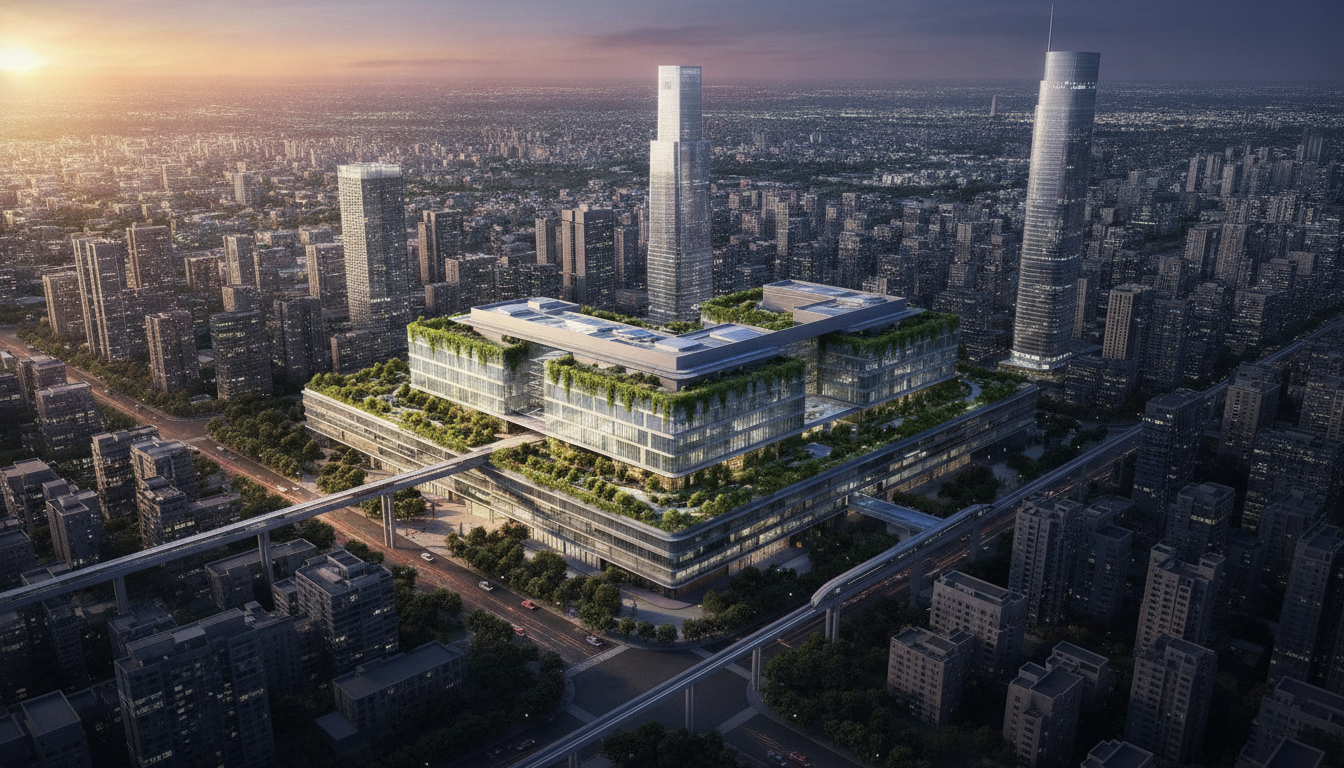
Navigating Asia's Hospital Infrastructure Exhibition Landscape
The absence of a confirmed "Hospital Build Asia 2026" in July doesn't diminish the importance of the region's focus on healthcare facility development. Instead, it highlights the need for a comprehensive understanding of the existing, high-impact events. One of the most significant gatherings for hospital construction and infrastructure in Asia is the China Hospital Construction Conference & International Hospital Build and Infrastructure Exposition (CHCC).
CHCC 2026: A Recap of Asia's Premier Construction Event
The China Hospital Construction Conference & International Hospital Build and Infrastructure Exposition (CHCC 2026) stands out as a critical event for anyone involved in healthcare infrastructure. Held from May 23-25, 2026, at the National Convention and Exhibition Center (Tianjin), China, CHCC 2026 was a collaborative effort by Zhuyitai, Reed Sinopharm Exhibitions (RSE), and Z&R Exhibitions. As an event that concluded prior to July, its recap offers valuable insights into the latest trends and solutions presented.
CHCC 2026 solidified its reputation as Asia's leading platform for hospital construction, offering an extensive exhibition alongside a comprehensive conference program, industry awards, and ample networking opportunities. The event provided a robust environment for learning, connecting, and sourcing solutions across the entire spectrum of healthcare infrastructure.
- Scale and Scope: The exposition spanned over 100,000 square meters, showcasing solutions from more than 800 suppliers.
- Attendance: It attracted over 60,000 professional visitors and more than 150 delegations, underscoring its broad industry appeal.
- Conference Program: With over 100 forums and more than 1,000 speakers, the conference program engaged an audience of over 10,000 attendees, covering diverse topics relevant to hospital construction and management.
- Exhibition Zones: The event was meticulously organized into eight themed pavilions and 40 exhibition zones, addressing every stage of the hospital construction lifecycle, from operational efficiency and specialized medical systems to integrated building systems, interior environments, clinical space upgrades, cleanroom engineering, hospital wards, and AI technologies.
Other Key Gatherings for Healthcare Facility Development in Asia
Beyond CHCC, other events contribute to the dialogue and advancement of healthcare infrastructure in the Asian market, though specific July 2026 dates for a dedicated "Hospital Build Asia" event remain unconfirmed.
Health Facilities Asia 2026, for instance, is positioned as a leading platform focused on shaping the future of healthcare infrastructure across the continent. While specific July 2026 dates were not detailed, its thematic focus includes crucial areas such as patient-centric refurbishments and upgrades, sustainable healthcare facilities, next-generation healthcare workforce integration, community health networks, smart infrastructure projects, and infrastructure supporting medical tourism. This event is typically part of the broader Asia Healthcare Week, indicating its comprehensive approach to industry challenges.
Additionally, Build4Asia 2026, held from May 6-8, 2026, at the Hong Kong Convention & Exhibition Centre and organized by Informa Markets, offers a broader perspective. While not exclusively focused on hospitals, its scope covers construction, facility management, and workplace innovations, which often include elements relevant to healthcare infrastructure development. It's an important event for understanding general building trends that can impact specialized sectors like healthcare.
Comparison of Key Asian Healthcare Infrastructure Events (May-July 2026)
| Event Name | Dates | Venue | Organizer | Primary Focus |
|---|---|---|---|---|
| China Hospital Construction Conference & International Hospital Build and Infrastructure Exposition (CHCC 2026) | May 23-25, 2026 | National Convention and Exhibition Center (Tianjin), China | Zhuyitai, Reed Sinopharm Exhibitions (RSE), Z&R Exhibitions | Hospital construction lifecycle, operational efficiency, specialized medical systems |
| Health Facilities Asia 2026 | Dates not specified for July 2026 (Part of Asia Healthcare Week) | Not specified | Not specified | Patient-centric refurbishments, sustainable facilities, smart infrastructure, medical tourism |
| Build4Asia 2026 | May 6-8, 2026 | Hong Kong Convention & Exhibition Centre | Informa Markets | Construction, facility management, workplace innovations (broader scope) |

Looking Ahead in Asian Healthcare Infrastructure
While a specific "Hospital Build Asia 2026" in July may not be on the calendar, the dynamism of the Asian market ensures a continuous stream of opportunities for professionals in healthcare facility development. Events like CHCC provide a comprehensive overview of the latest advancements, and other regional gatherings contribute to a holistic understanding of the sector.
Professionals are encouraged to regularly consult official event websites for the most current information regarding dates, registration, and program details for future editions of these critical industry exhibitions. Staying informed ensures that companies can effectively engage with the evolving landscape of healthcare infrastructure in Asia.